Ever wondered what gives your favorite IPA that citrusy kick or your go-to pilsner its crisp, clean bitterness? The answer lies in a little green flower called the hop.
Hops are the unsung heroes of the brewing world, adding both bitterness and a wide range of flavors and aromas to beer.
In this guide, we’ll take a deep dive into the fascinating world of hops, exploring the different types, their unique characteristics, and how they impact the beers we love.
Whether you’re a seasoned beer enthusiast or just starting to explore the vast world of craft brews, this article will equip you with the knowledge to appreciate the magic of hops.
Hops 101
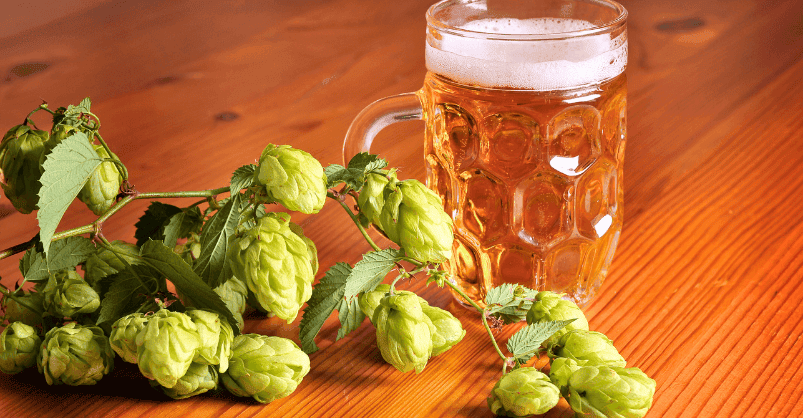
Hops are the flower cones of the Humulus lupulus plant, a member of the Cannabaceae family (yes, related to cannabis!). These green cones are packed with alpha acids, which contribute bitterness to beer, and essential oils that create a variety of aromas and flavors.
Hops play a crucial role in the brewing process. They add bitterness, which balances the sweetness of malt, a key ingredient in beer. Additionally, hops act as a natural preservative, extending the shelf life of beer.
But most importantly, hops are the flavor and aroma powerhouses, bringing a spectrum of characteristics to different beer styles.
There are two main categories of hops used in brewing:
- Bittering Hops: These hops are high in alpha acids, typically containing between 5% and 18%. Their primary purpose is to add bitterness to beer, which helps to balance the sweetness of the malt and create a crisp, refreshing finish.
- Aroma Hops: These hops contain lower levels of alpha acids (around 3-8%) but boast a wider range of essential oils. These oils are responsible for the diverse flavors and aromas we associate with different beer styles, from citrusy and floral to piney and tropical fruit.
A Look at Popular Hop Varieties
Now that we understand the basics, let’s delve into the exciting world of hop varieties! With hundreds of hops available worldwide, brewers have a vast palette to create unique and flavorful beers.
Here’s a closer look at some of the most popular hop varieties in each category:
Bittering Hops:
- Northern Brewer: This American hop delivers a classic earthy, spicy bitterness, making it a staple in American Pale Ales (APAs) and some lagers.
- Magnum: This powerhouse hop, known for its high alpha acid content (often exceeding 13%), provides a strong, neutral bitterness. It’s a popular choice for brewers seeking intense bitterness without adding unwanted flavors, making it ideal for lagers and some strong ales.
- Warrior: Another American hop with a reputation for packing a punch. Warrior boasts high alpha acids (often exceeding 17%) and delivers a sharp, clean bitterness, making it a popular choice for brewers crafting high-IBU (International Bitterness Units) beers like Imperial IPAs.
Aroma Hops:
- Cascade: This iconic American hop is a true game-changer. Cascade explodes with citrusy and floral aromas, with hints of grapefruit and pine. It’s a cornerstone of the American Pale Ale and India Pale Ale (IPA) styles.
- Centennial: This versatile American hop offers a delightful combination of piney and grapefruit aromas, making it a favorite among IPA brewers.
- El Dorado: This tropical paradise in a hop cone! El Dorado delivers a burst of mango, pineapple, and other tropical fruit aromas, making it a fantastic choice for IPAs, Pale Ales, and even some wheat beers.
These are just a few examples, and the world of hops offers a vast array of options. From classic European varieties like Saaz and Hallertau, known for their subtle, floral bitterness, to the new-school American hops bursting with citrus and tropical fruit notes, brewers have a seemingly endless arsenal of flavors to explore.
How Hops Shape Beer Styles
The type and timing of hop addition during the brewing process significantly impact the final flavor and aroma of the beer. Here’s a glimpse into how brewers utilize different hop varieties to create signature beer styles:
- IPAs (India Pale Ales): These hoppy powerhouses are known for their intense bitterness and pronounced citrusy, piney, or tropical fruit aromas. Brewers achieve this by using a generous amount of high alpha acid hops like Warrior or Columbus for bittering and late additions of aroma hops like Cascade or Citra.
- Pilsners: This classic Czech style is all about clean, crisp refreshment. Pilsners rely on noble hops, a group of European varieties like Saaz and Hallertau, known for their delicate floral and spicy notes.These noble hops contribute a subtle bitterness that perfectly complements the pilsner’s malty sweetness, resulting in a balanced and refreshing beer.
- English Pale Ales: These beers showcase a beautiful interplay between malt and hops. English hops like East Kent Goldings and Fuggles bring earthy, herbal, and slightly citrusy notes, creating a complex yet approachable flavor profile.
These are just a few examples, and brewers constantly experiment with different hop combinations to create innovative and exciting beers.
From the juicy New England IPAs loaded with tropical fruit aroma hops to the dark and roasty Black IPAs balanced with citrusy hops, the possibilities are endless.
Beyond the Basics
As you delve deeper into the world of craft beer, you’ll encounter a few additional terms related to hops:
- Alpha Acids: As mentioned earlier, these are the bittering compounds found in hops. The higher the alpha acid content, the more bitterness the hop will contribute to the beer.
- Essential Oils: These are the aromatic compounds responsible for the vast array of flavors and aromas associated with hops.
- Dry Hopping: This technique involves adding hops to the beer after fermentation. This allows the essential oils to infuse the beer with their aroma without adding additional bitterness.
- Fresh vs. Dried Hops: While fresh hops offer the most vibrant aromas, they have a short shelf life. Most brewers use dried hops (cones, pellets, or plugs) for consistency and year-round availability.
Conclusion
Hops are more than just a bittering agent; they are the heart and soul of many beer styles. From the refreshing crispness of a pilsner to the bold, citrusy explosion of an IPA, hops play a vital role in shaping the flavor and aroma profiles we love.
So, the next time you raise a glass of your favorite beer, take a moment to appreciate the magic of hops. Explore different styles, discover new hop varieties, and embark on a journey through the ever-evolving world of craft beer!
